







Printing for business
Printing and design in Montréal, Canada
From concept to reality
Exploring the core processes of the printing world

The mechanics of offset lithography
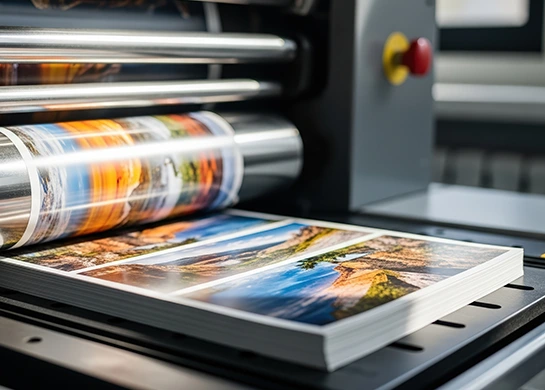
This classic technique transfers an inked image from a plate to a rubber blanket, then onto paper, helping maintain consistent color and sharp detail across medium-to-large print runs.

The speed of digital printing
Ideal for short runs, this method applies toner or liquid ink directly onto the substrate without plates. Digital printing also supports rapid turnaround for flexible, low-volume production.

The craft of screen printing
Ink is forced through a mesh screen onto a surface, a process perfect for textiles and unique materials. Screen printing is also well suited to specialty surfaces that require durable ink coverage.


Modern technical advances
How graphic innovations are reshaping print media

Variable data printing
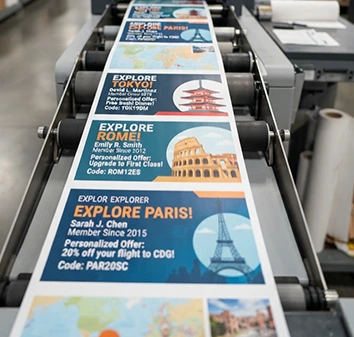
This technology allows for mass personalization, where elements like text and graphics change from piece to piece, creating personalized print pieces tailored to specific recipients or audience segments.

Advanced finishing techniques
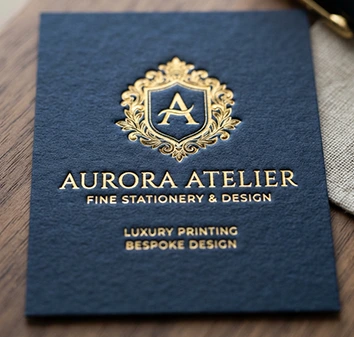
Processes like foil stamping and embossing add tactile dimensions, creating memorable and high-value print products with a more distinctive visual and sensory finish.

Eco-friendly materials
The use of recycled paper and soy-based inks reflects a growing commitment to sustainable production practices while reducing the environmental footprint associated with conventional print materials.
In Montréal’s dynamic market, the creative process is crucial for producing print materials that stand out and capture audience attention while maintaining visual consistency and a clear communication objective.
The designer’s role
The journey from initial creation to final design for print
Before any ink meets paper, a meticulous preparation phase ensures the final output matches the original vision. This involves selecting appropriate typography, establishing a grid layout for consistency, and performing color calibration for accuracy between screen and substrate. The designer must consider the paper weight and paper texture, as these elements directly influence the final perception of the piece, a critical factor for high-impact marketing collateral in a design-conscious city.
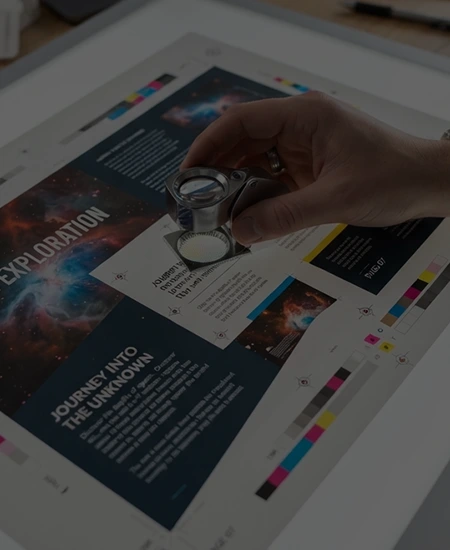
The importance of proofing
A digital proof or physical proof serves as the final checkpoint, allowing for the correction of typos, color imbalances, or alignment issues before the full print run and reducing the risk of costly production errors.


Leveraging print for effective visual communication
Print materials function as tangible brand ambassadors, conveying messages through a combination of text, imagery, and tactile sensation in a crowded marketplace while strengthening brand messaging across physical touchpoints.
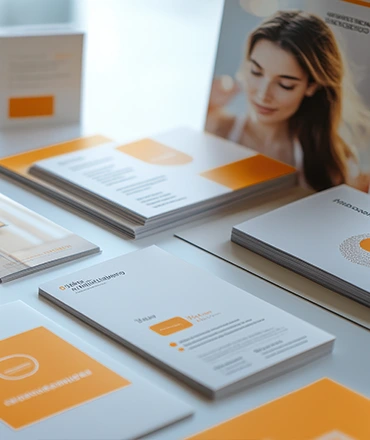
Building a brand identity
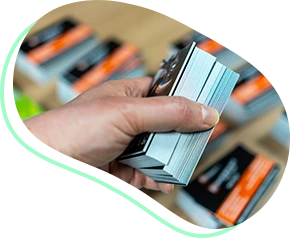
Consistent use of colors and logos on business cards and letterheads reinforces brand recognition and creates a more cohesive identity across printed communications.
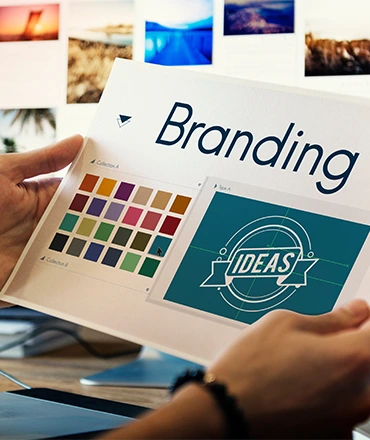
Informing with infographics
Complex data is translated into clear data visualization for reports and presentations, making comparisons, patterns, and key information easier to understand.

Engaging with direct mail
Direct mail can use a well-designed postcard or brochure to create a personal connection with the recipient and deliver a tangible message outside crowded digital channels.
Specialized career paths
Exploring key print professions
A diverse team of specialists collaborates to bring a print project to life. From the initial concept to the final product, each role contributes specialized technical expertise that supports quality, efficiency, and adherence to a client’s vision.

The prepress technician
This expert prepares digital files for printing, checking technical compatibility, resolution, and color profiles before production begins.

The press operator
They manage the printing machinery, ensuring color consistency and registration during production while monitoring output quality throughout the print run.



Marketing through print
Analyzing modern advertising trends within the printing industry
In an era dominated by digital media, print advertising has evolved to emphasize quality and targeted impact. Brands now invest in high-end finishes, unique substrates, and creative formats to create memorable physical experiences. This shift is visible in everything from luxury brand lookbooks to interactive direct mail campaigns that incorporate QR codes, bridging the gap between physical and online engagement. In markets like Montréal, this includes crafting bilingual campaigns that resonate culturally and reflect the city’s distinct linguistic market. The focus is no longer on mass distribution but on creating valuable, tangible artifacts that recipients want to keep, reinforcing the brand’s message over time and cutting through digital noise.
Targeted print work
Finding the right printing solutions for business
Choosing the correct print method and materials depends entirely on the project’s goals, budget, and desired audience impact in today’s market, as well as production volume, turnaround requirements, and the intended lifespan of the printed piece.
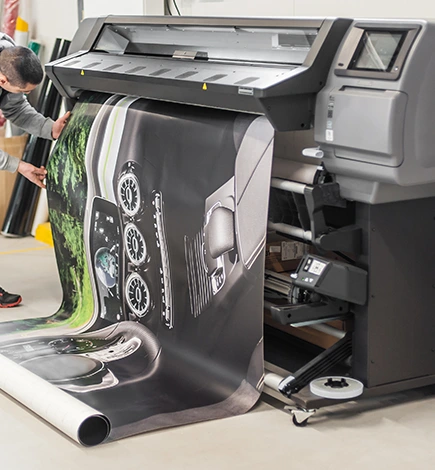
Applications for large format
Banners, trade show displays, and vehicle wraps demand specialized equipment for high-visibility marketing materials, particularly when scale, durability, and viewing distance affect production choices.
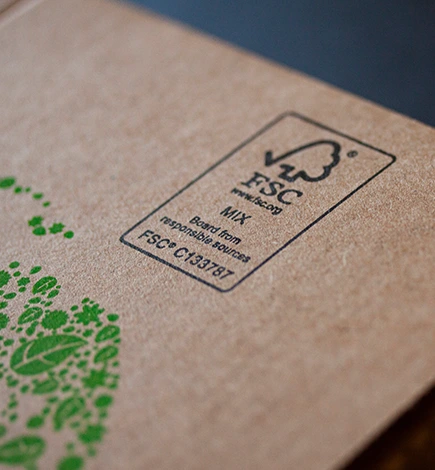
Options for sustainable printing
Using FSC certified paper and low-VOC inks minimizes environmental impact while supporting more responsible material sourcing and lower-emission production.
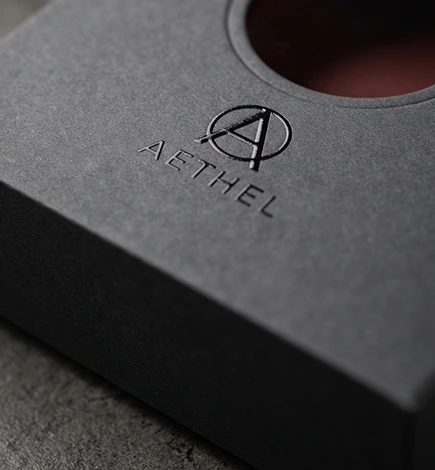
Finishes for custom packaging
Die-cutting and spot UV varnish can transform a simple box into a premium brand experience by combining structural customization with selective visual emphasis.